LeetCode API Explorer
A local-first project page for exploring API design, problem metadata, caching, and developer-friendly documentation.
Next.jsTypeScriptAPI design
Engineer / writer / restless maker
Formal verification, systems, and useful experiments, shaped into work you can actually explore.
Projects / selected
Each project keeps the reasoning visible: problem, constraints, experiments, outcome, and what changed after the first attempt.
A local-first project page for exploring API design, problem metadata, caching, and developer-friendly documentation.
A structured public notebook for assertions, SVA patterns, proof attempts, and verification learning trails.
Focus areas
Different mediums, one habit: make the thinking inspectable.
Assertions, proof attempts, debugging notes, and hardware learning paths.
Short technical essays that make design tradeoffs and failure modes explicit.
Small utilities, APIs, and experiments that are useful enough to run locally.
A public trail of what I am building, studying, and improving right now.
The lab
Small demos, APIs, snippets, and tools before they become polished project case studies.
Enter the labA hidden fast lane
The command palette keeps every page, post, and project case study within immediate reach.
YouTube / latest
Short visual explanations for ideas that deserve more than a paragraph and less than a full course.
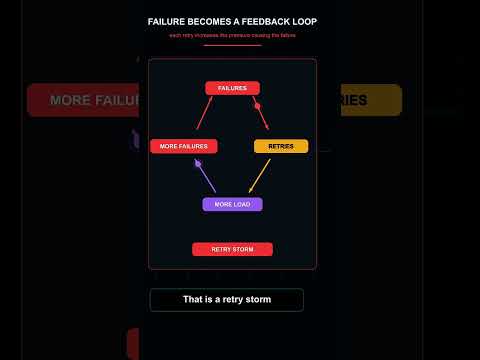 Short
ShortRetries are meant to improve reliability, but during an outage they can multiply traffic and prevent an API from recovering. This visual short explains retry storms, temporary failures, capped attempts, exponential backoff, jitter, and retry budgets.
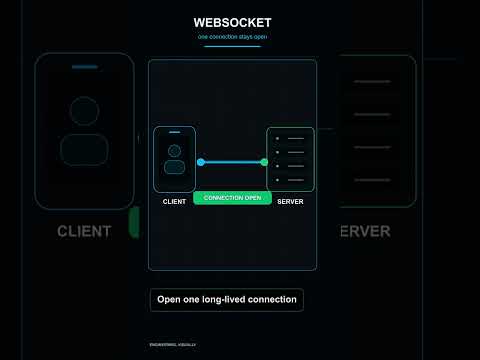 Short
ShortWebSockets are powerful, but they are not always the right choice. This visual short compares polling and WebSockets: how polling checks for updates, how WebSockets push data over a long-lived connection, and when each approach makes sense.
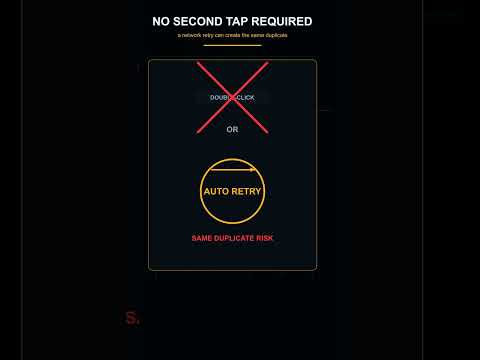 Short
ShortTwo identical payment requests can reach an API at almost the same time. Without protection, both may create an order or charge the user. This visual short shows how idempotency keys, automatic retries, and an atomic database claim ensure one operation produces one saved result.
Blog
A plain-language starting point for proofs, assertions, state spaces, and why bugs hide in hardware designs.
Token bucket, fixed window, sliding window, and the tradeoffs that matter when the service grows.
A short positioning note for the site: portfolio, technical blog, project demos, and experiments under one developer identity.